
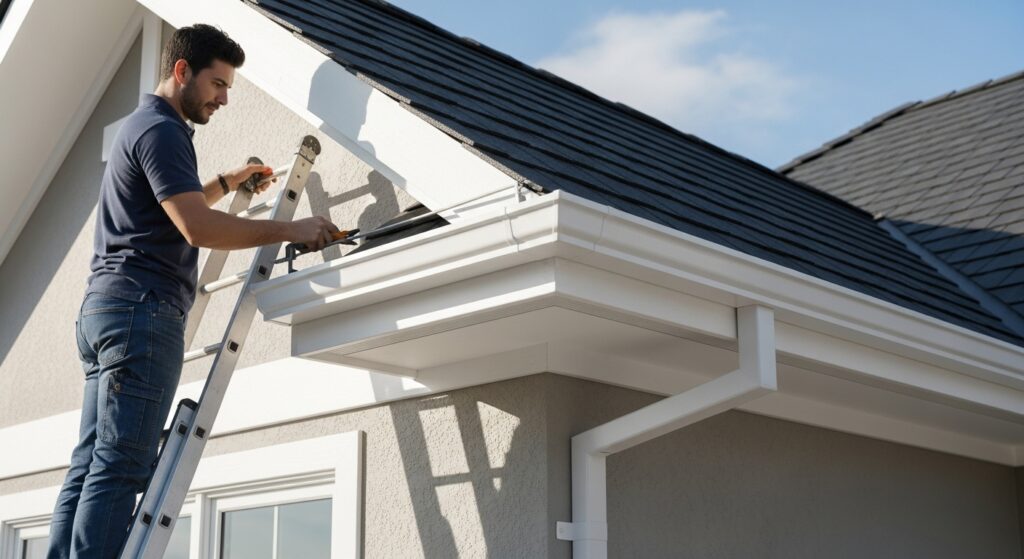
Your home’s exterior does more than just look pretty — it plays a major role in protecting your property from water damage, leaks, and structural issues. Two of the most underrated but essential parts of that system are the fascia and gutters.
Though they’re often overlooked, these components work together to direct rainwater away from your home and keep the structure strong and dry. Whether you’re building a new home, renovating, or simply maintaining an existing one, understanding fascia and gutter installation can save you from costly repairs later.
Let’s dive into what they are, why they matter, and how to ensure they’re installed the right way.
What Is Fascia?
The fascia is the horizontal board that runs along the edge of your roof, just under the roofline. It connects to the ends of the roof trusses and supports the lower edge of the roof tiles or shingles.
Think of fascia as the finishing touch to your roofline — it gives your home a neat, polished appearance. But it’s not just for looks. The fascia also plays an important structural role: it holds the gutters in place and acts as a barrier between the edge of the roof and the outdoors.
Without a solid fascia board, your gutters would have nowhere to attach securely, and your roofline would be exposed to rain, pests, and rot.
What Are Gutters?
Gutters are the narrow channels that run along the roof edges to collect rainwater and direct it safely away from your home’s foundation. Without gutters, rainwater would pour directly off the roof, potentially flooding your garden, eroding your soil, and seeping into your basement or foundation.
A properly installed gutter system channels rainwater into downspouts, which carry it away from your home. This prevents water from pooling near the base of your walls — one of the leading causes of foundation damage and leaks.
Why Fascia and Gutters Go Hand in Hand
Your fascia and gutters work together like a team. The fascia provides a strong, level surface for mounting the gutters, and the gutters protect the fascia from excess water exposure.
If one fails, the other often suffers too. For example, if the fascia wood rots, the gutters can loosen or collapse. Likewise, if gutters clog and overflow, they can cause water to soak into the fascia and roof edge, leading to long-term damage.
That’s why it’s smart to consider fascia and gutter installation as one combined project — ensuring both components are aligned, strong, and water-tight.
Signs You Need New Fascia or Gutters
Even the best materials wear down over time. Here are some warning signs that it might be time for replacement or new installation:
1. Peeling Paint or Rotting Wood
If the fascia boards look discolored, soft, or peeling, they’re likely absorbing moisture — a clear sign of water damage.
2. Sagging or Leaking Gutters
When gutters sag, overflow, or pull away from the house, they may no longer be supported properly. This could indicate fascia damage beneath them.
3. Water Stains on Walls or Ceilings
Leaky gutters can let water drip down exterior walls, leading to visible stains or even interior leaks.
4. Mold or Mildew Near the Roofline
Excess moisture around your roof’s edge often points to poor drainage or decayed fascia boards.
5. Frequent Gutter Clogs
If your gutters are constantly filled with debris, they may not be sloped or installed correctly, causing water to back up toward the fascia.
Choosing the Right Fascia Material
Not all fascia boards are created equal. Your choice of material will affect durability, cost, and maintenance needs.
Wood Fascia
- Traditional and attractive
- Easy to paint or stain
- Requires regular sealing to prevent rot
uPVC (Vinyl) Fascia
- Low maintenance
- Resistant to rot and insects
- Available in various colors and finishes
Aluminum Fascia
- Lightweight yet durable
- Weather-resistant
- Can be matched with aluminum gutters for a seamless look
For most modern homes, uPVC or aluminum fascia boards are preferred for their long-lasting performance and minimal upkeep.
Types of Gutters for Your Home
Choosing the right gutter style is just as important as selecting your fascia material.
K-Style Gutters
These are the most common type — shaped like the letter “K.” They hold more water than half-round styles and look good on modern homes.
Half-Round Gutters
Rounded and smooth, this classic design suits older or traditional-style homes. They’re easier to clean but hold less water.
Box Gutters
Built into the edge of the roof, these are hidden from view, giving your home a sleek appearance. They’re common in commercial or custom-built homes.
The Fascia & Gutter Installation Process
If you’re hiring professionals, here’s a step-by-step idea of what to expect during installation:
Step 1: Inspection and Preparation
The old fascia boards and gutters are removed. The roof edge is inspected for any signs of rot or damage.
Step 2: Fascia Board Installation
New fascia boards are cut to fit perfectly along the roofline. They’re securely fastened to the rafter ends, ensuring a level surface.
Step 3: Gutter Mounting
The new gutters are attached to the fascia with brackets or hangers. Proper slope (usually about ¼ inch per 10 feet) is maintained to ensure smooth water flow.
Step 4: Downspout Installation
Downspouts are fitted and positioned strategically to channel water away from your home’s foundation.
Step 5: Testing and Cleanup
The system is tested by running water through the gutters to check for leaks or blockages. Once confirmed, the area is cleaned and the project is complete.
DIY vs. Professional Installation
While DIY fascia and gutter installation might sound tempting, it’s usually best left to professionals. Here’s why:
- Safety: Working on ladders and roof edges carries risk. Professionals are trained and equipped for such work.
- Accuracy: Gutters must be perfectly aligned for proper drainage — a small miscalculation can lead to overflow or water pooling.
- Warranty: Many manufacturers’ warranties are valid only if installation is done by certified professionals.
If you still choose the DIY route, make sure you understand the proper slope, spacing, and sealing requirements before starting.
Maintenance Tips for Long-Lasting Results
Once your new fascia and gutters are installed, maintenance becomes key to keeping them in great shape:
- Clean gutters regularly — ideally twice a year or after heavy storms.
- Inspect joints and seams for leaks or separation.
- Repaint or reseal fascia boards every few years if they’re wooden.
- Trim nearby trees to prevent leaves and debris from clogging the system.
- Check fasteners to ensure gutters remain firmly attached to the fascia.
Regular care can extend the life of your fascia and gutter system by many years — and protect your home from expensive water-related damage.
Conclusion
Fascia and gutter installation may not be the most glamorous part of home improvement, but it’s one of the most important. Together, they shield your home from moisture, maintain structural integrity, and enhance curb appeal.
Whether you’re replacing an old system or installing one from scratch, investing in quality materials and expert installation will always pay off in the long run. A strong, well-maintained fascia and gutter setup isn’t just about looks — it’s about protecting your home for decades to come.
FAQs
1. How long do fascia and gutters last?
With proper care, aluminum and uPVC fascia and gutters can last 20–30 years or more. Wood fascia typically lasts 10–15 years with regular maintenance.
2. Can I replace fascia without removing gutters?
It’s possible, but not ideal. Removing the gutters first allows for better access and ensures the fascia boards are installed securely and evenly.
3. What’s the best time of year for fascia and gutter installation?
Spring and fall are ideal, as weather conditions are mild and you can prepare your home before heavy rain or snow seasons.